

Cool Mountains, Endless Light: Why Oman Is a Summer Photography Destination Worth Discovering.

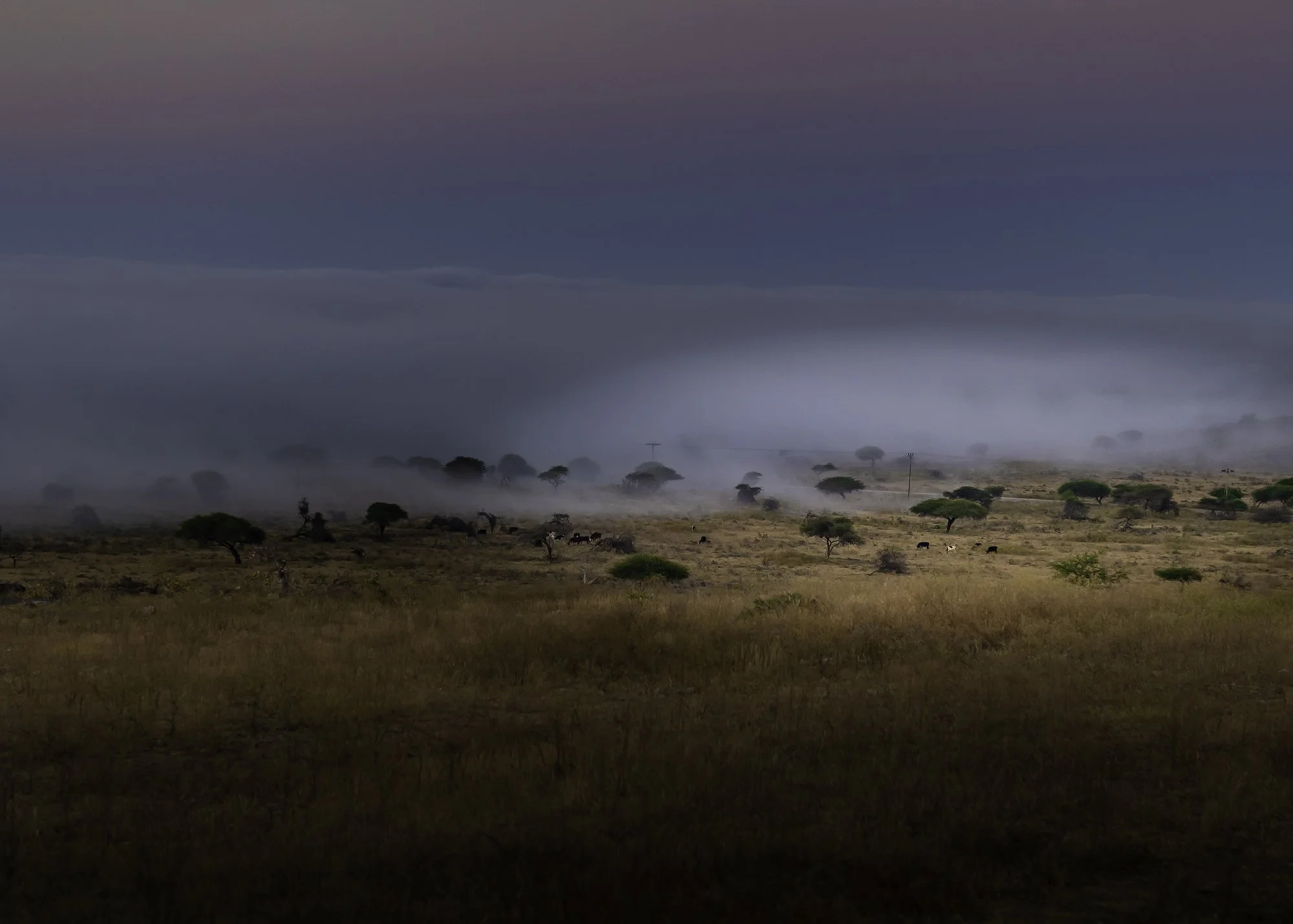
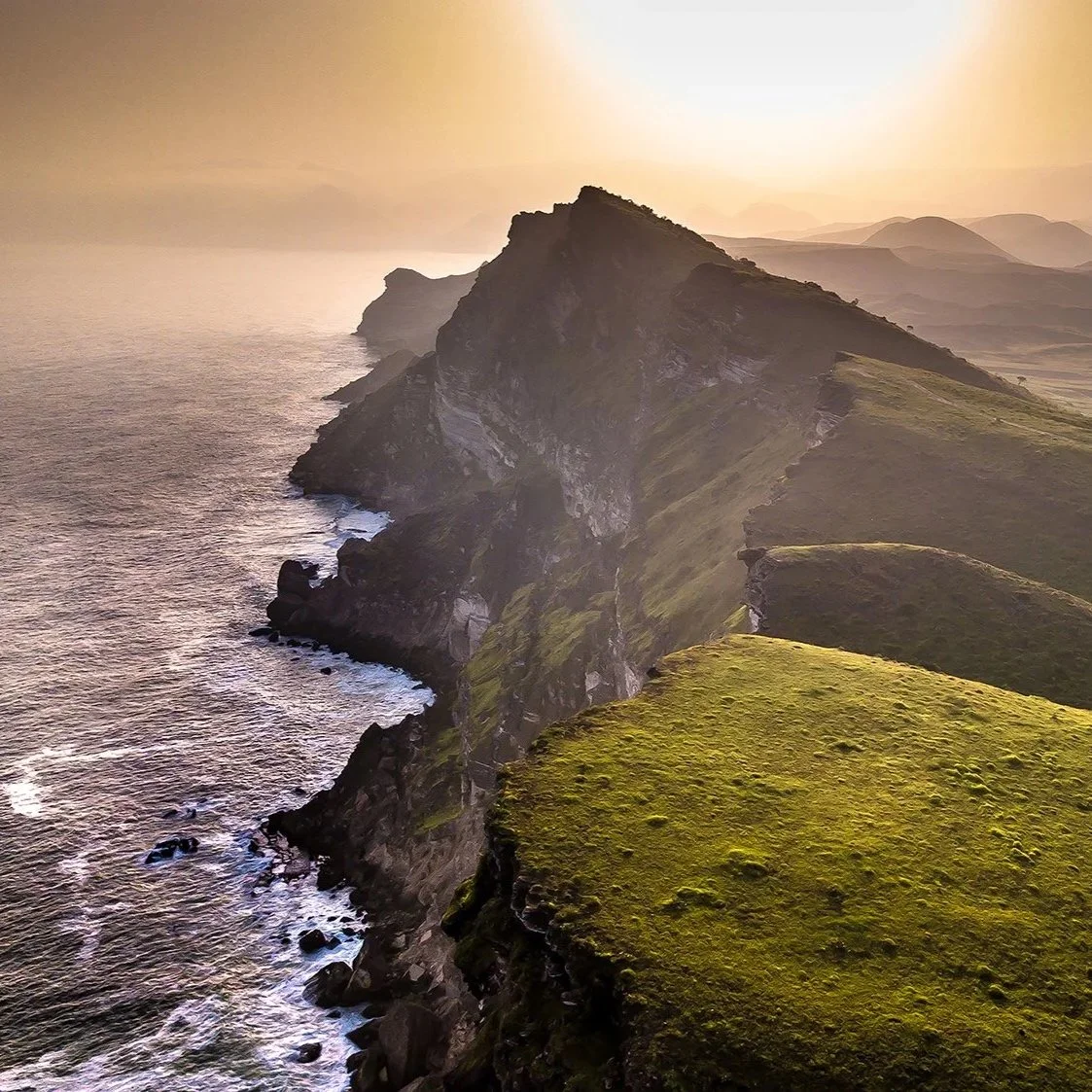
Al Mughsail Beach during khareef: where monsoon mist meets golden light
When most photographers think of summer, they head north - Iceland, the Alps, the Scottish Highlands. But there's a stretch of Arabia, hidden in the haze of received wisdom, that deserves a place on your shortlist. After more than three decades photographing this country, I'll tell you what the brochures won't: Oman in summer is cooler, greener, and stranger than you think - and the light is yours, almost alone.
The cool-weather surprise
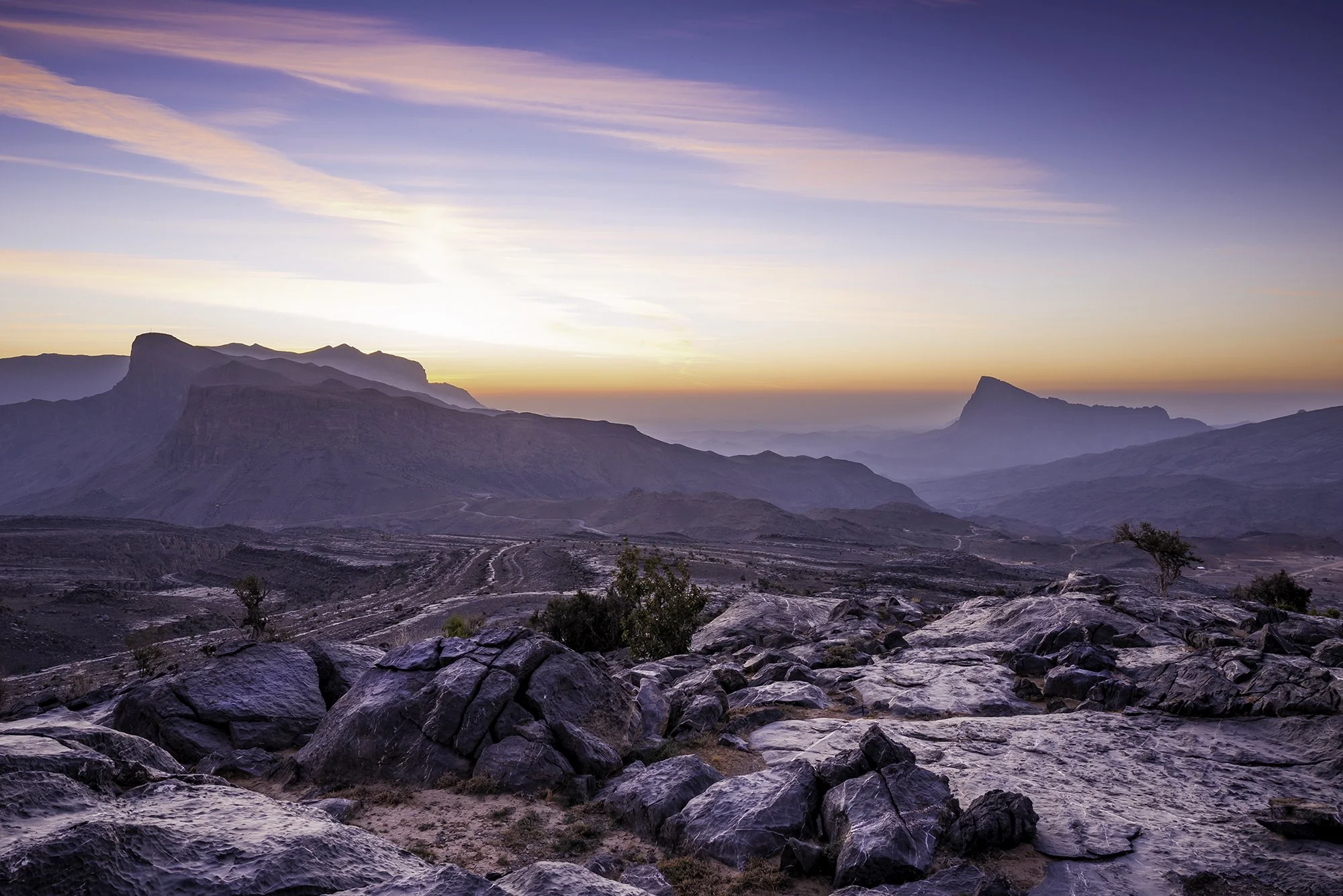
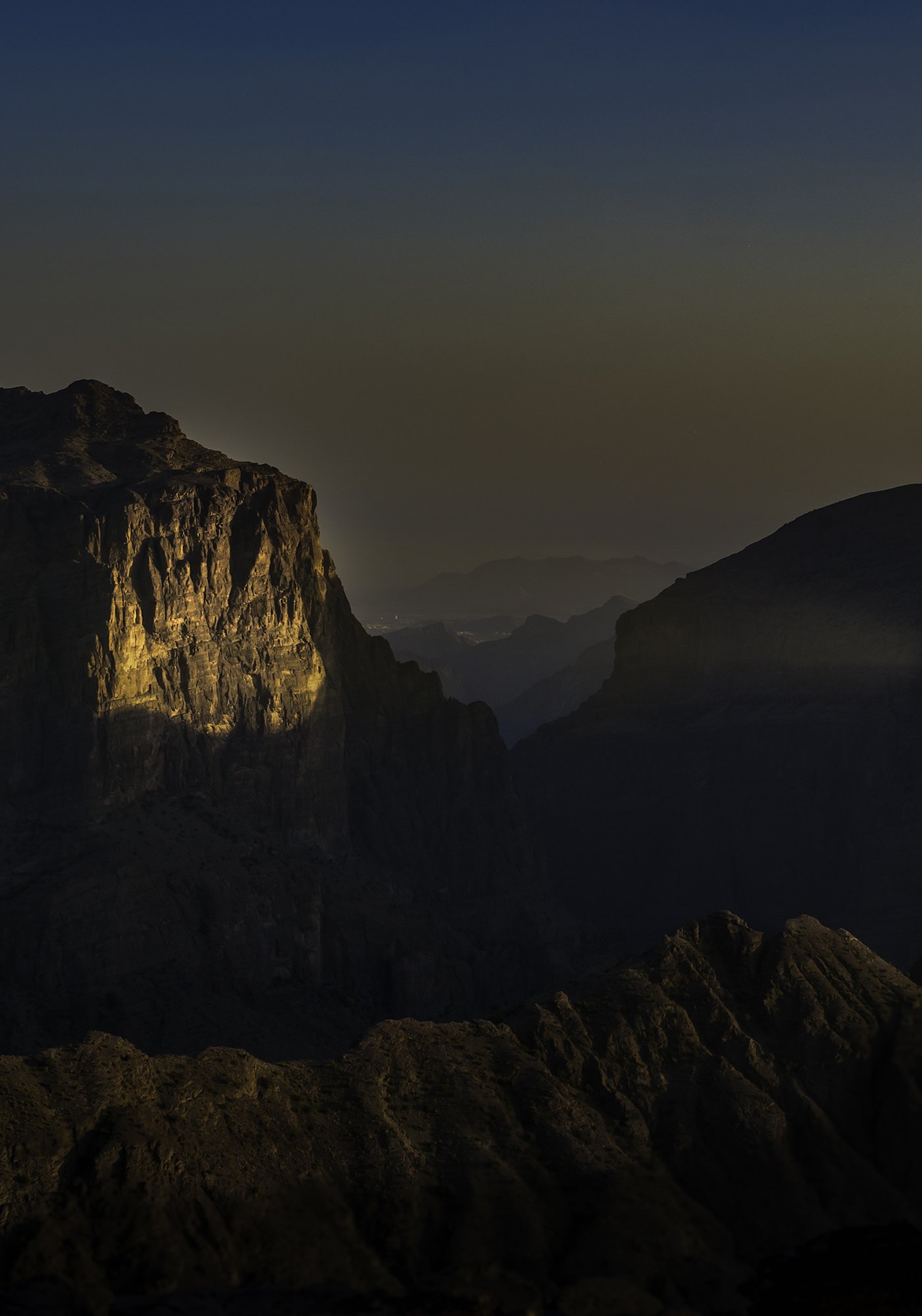
While Muscat sweats, the country's high places stay in the low 20s. Jebel Akhdar sits at 2,000 metres, where rose terraces line the cliffs and morning mist rolls through the wadis. Jebel Shams, the country's tallest peak, drops 30°C overnight in July - pack a fleece.
And from late June, the southern coast around Salalah transforms during khareef: the monsoon turns the desert hills emerald green, with waterfalls, lifting fog, and skies that repaint themselves every hour.
What to pack
Travel light, shoot wide. A weather-sealed body and a wide-to-mid zoom (16–35mm and 24–70mm) cover most landscapes. Add a 70–200mm for compressed mountain layers and the goats that show up everywhere. A sturdy tripod is non-negotiable for the long blue-hour exposures Oman rewards. Bring a polarising filter for the harsh midday glare, and ND filters for waterfalls in Salalah. Pack microfibre cloths in abundance - khareef humidity will fog every lens you own.
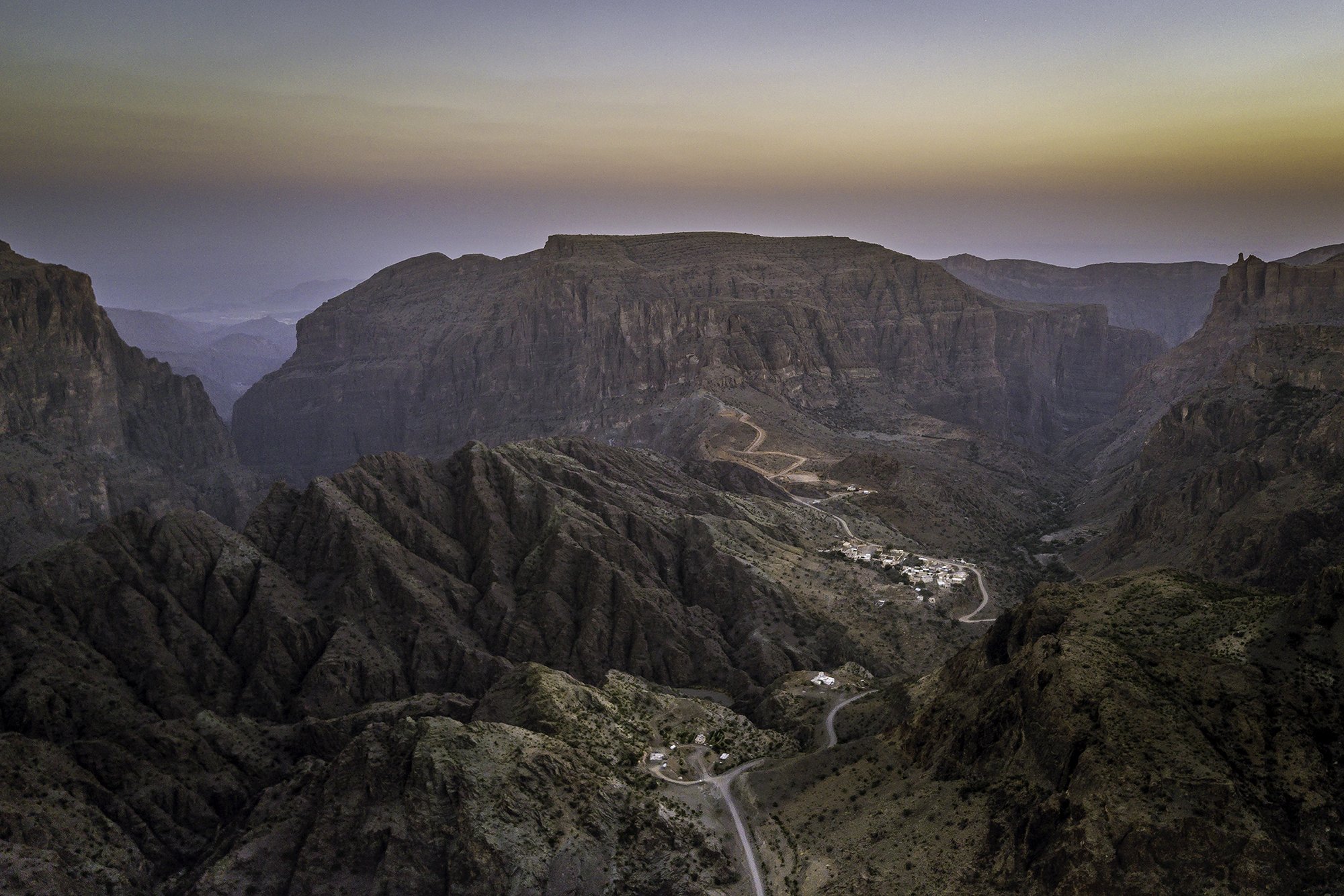
Jebel Akhdar sunset with rose terraces and dramatic mountain light in Oman
Tips before you go
Drive yourself. A 4WD opens up the country: the rim of Wadi Ghul, the dunes of Wahiba, the abandoned villages above Misfat al Abryeen. Local hospitality is real and unforced - say salaam alaykum, accept the dates and coffee, and always ask before photographing people. Keep dust covers handy in the desert and rain covers ready in the south. Shoot from the rim of cliffs, not the middle - Omani roads are excellent, but their shoulders are not always paved.
The best timing
Aim for late June through mid-September for khareef in the south - it's the only window when Salalah greens out. For the northern mountains, July and August offer comfortable temperatures, dramatic afternoon clouds, and emptier viewpoints. Sunrise lands around 5:30 a.m. - that early start is the difference between a postcard and a portfolio frame. Shoot the golden hour, then retreat to a date farm for breakfast.
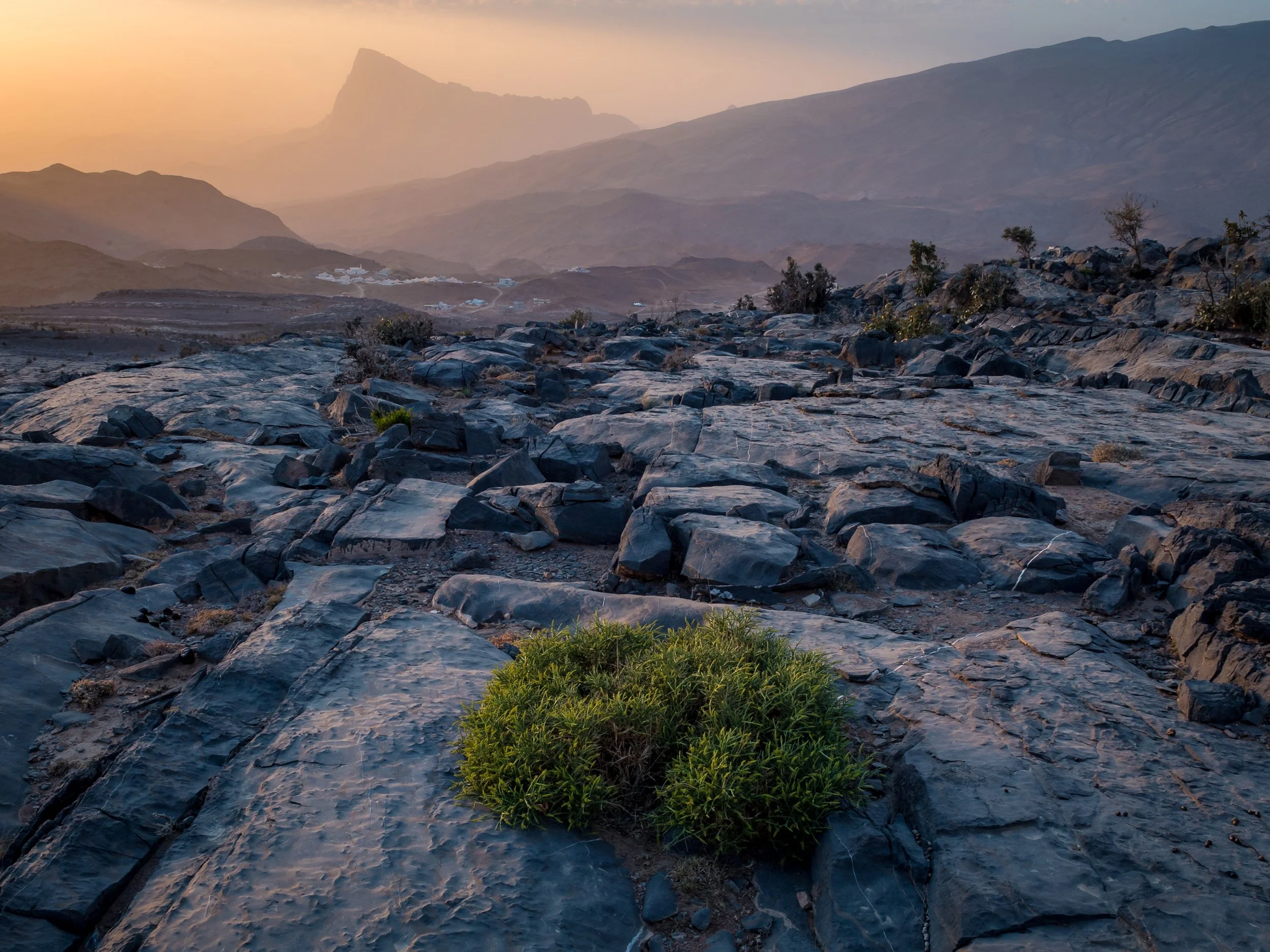
Come for the light, stay for the country
Oman in summer rewards the photographer willing to look past the obvious. Cooler than you expect, quieter than you'd believe, and full of frames the world hasn't yet over-shot. Pack the camera, leave the assumptions, and come for a season that no one's claimed yet.
If you'd rather skip the postcard spots, that's where I come in. Each season I work with a small number of visiting photographers - one-on-one - to plan routes, time the light, and reach the hidden corners of Oman most travellers never see. If you're planning a trip and want guidance from someone who's been shooting these landscapes for thirty years, drop me a note.

Oman: A Paradise of Land and People 1st Edition
